Shooting Agricultural Advertising Photography
I’ve been working now for some years producing agricultural advertising and PR photography in and around the Harrogate area for the national media and for national brands such as LG Seeds and Nickerson Seeds. (The majority of the photos you’ll see on Nickerson site were taken by me and about 40% on the LG site)
Agricultural photography in Harrogate and the wider North Yorkshire region requires a blend of technical skill, patience and an understanding of the rural landscape. Whether you’re documenting farm machinery, livestock, crops or agribusiness operations, the images need to communicate scale, seasonality, working conditions and the stories behind the people and processes.
Planning and timing
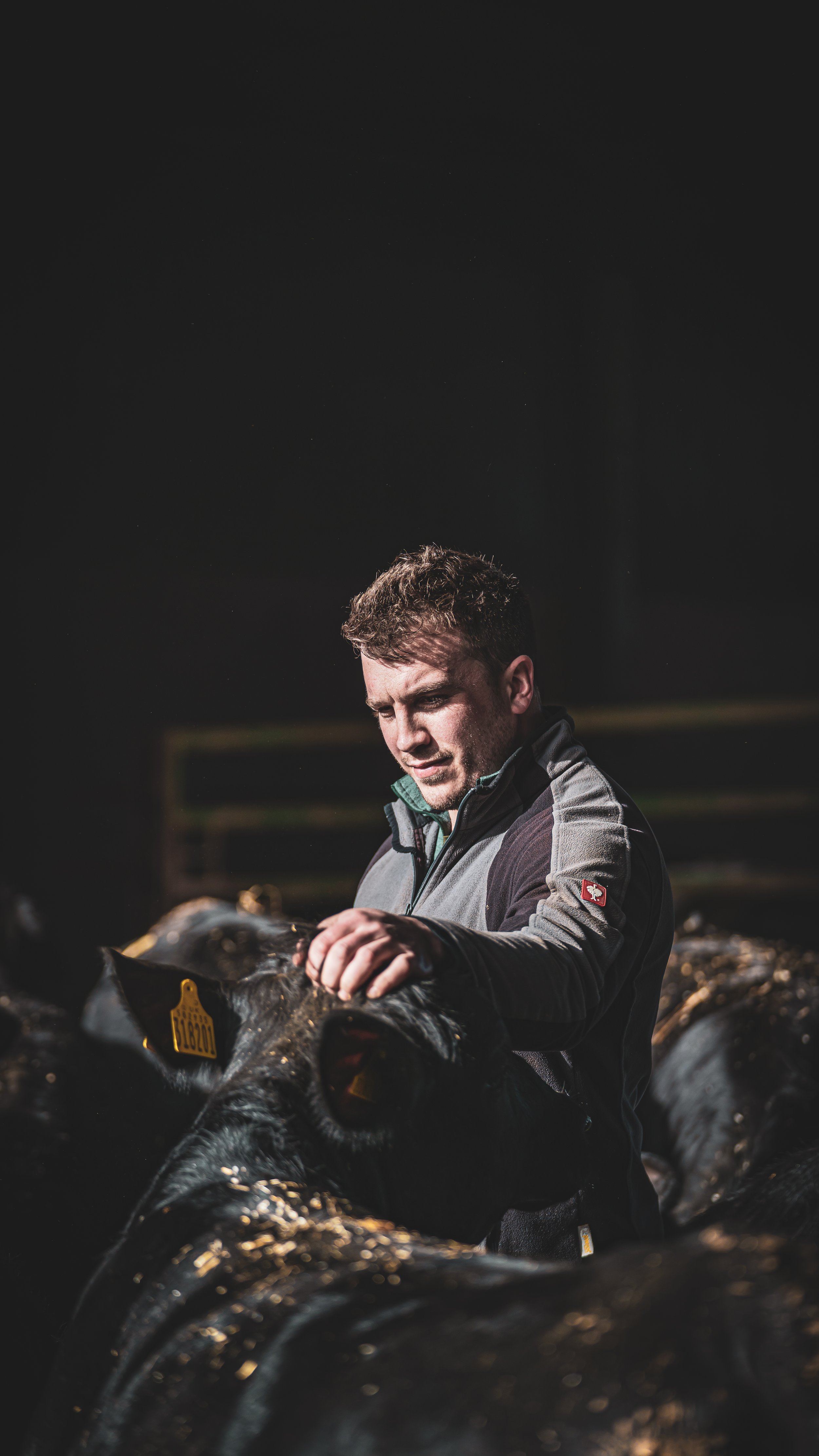
Left is an image I shot on a farm in 2024 - all using natural light
Light matters. Early morning and late afternoon (the golden hours) give long shadows and warm light that reveal texture in fields, soil and machinery. Overcast days are excellent for even light when photographing livestock or detailed product shots.
Seasonality shapes content. Spring shows new growth and lambing; summer brings crops and harvesting; autumn offers harvest activity and dramatic skies; winter highlights skeletal landscapes and farm infrastructure.
Check farm schedules. Coordinating with farmers for key operations (ploughing, sowing, harvesting, lambing, slurry spreading) ensures you capture authentic action rather than posed scenes.
Gear and technical choices
Lenses: A wide-angle for environmental portraits and sheds, a 24–70mm for general use, and a 70–200mm or longer telephoto for livestock and machinery from a safe distance. Macro or a 100mm lens is useful for crops, pests and detail shots.
Camera settings: Use a fast shutter for moving tractors and livestock; stop down to f/8–f/11 for landscapes and group shots to keep depth of field. For shallow depth and isolating subjects, use wider apertures.
Stabilisation: Tripod for low-light and detailed product or crop shots; monopod useful around moving machinery.
Protection: Dust and weather protection for kit is essential — farms can be wet, muddy and dusty. Have lens cloths and multiple memory cards and batteries.
Composition and storytelling
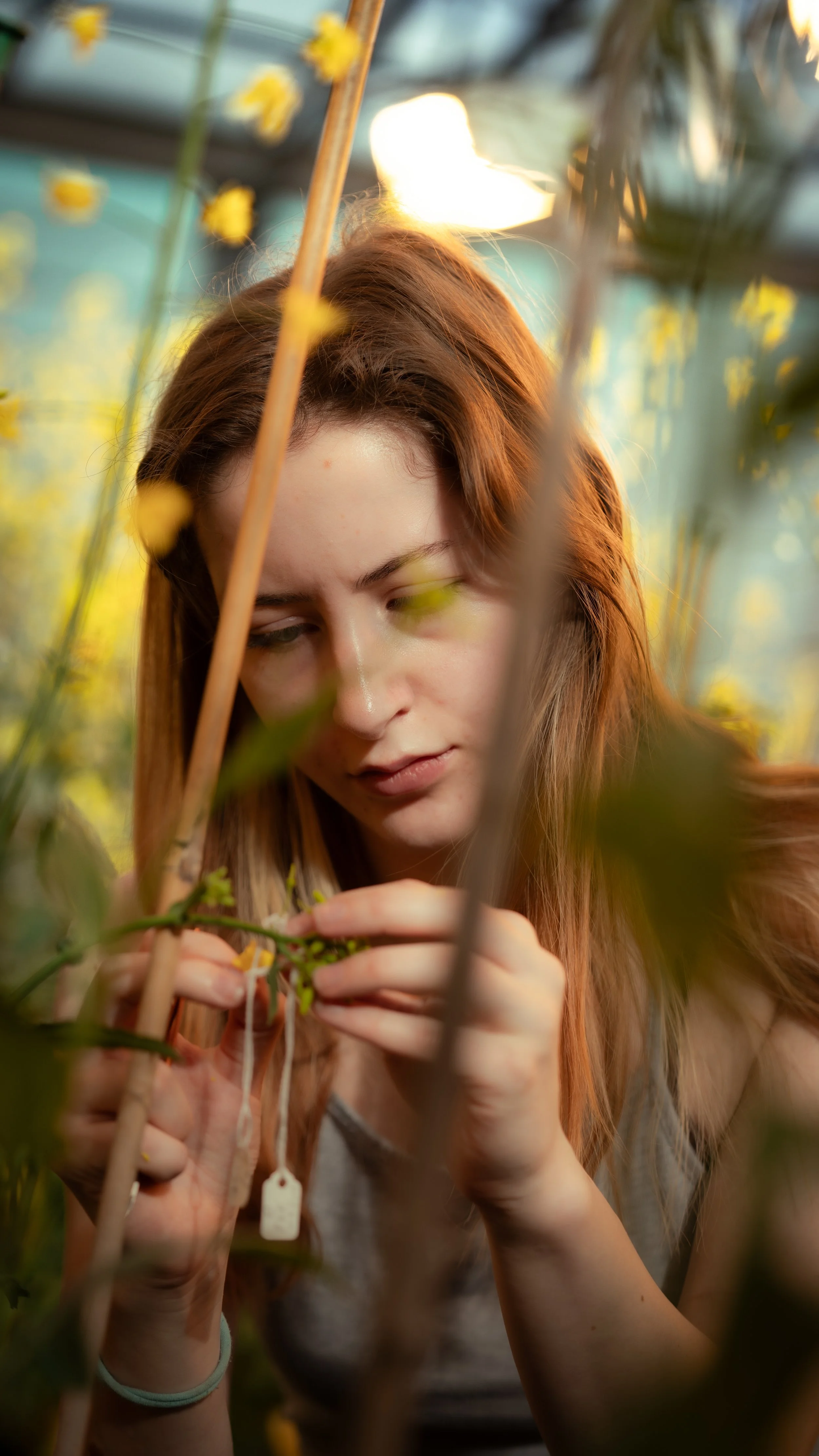
Right is an image which appeared in Farmers Weekly in 2025 in an advertorial
Human element: Include farmers and workers to convey scale and craft. Environmental portraits — subjects within their fields, beside machinery or in farmyards — create connection.
Scale and context: Use wide shots to show landscape and machinery interaction; close-ups for texture (soil, seed, plant structure) and machine parts.
Action shots: Capture motion — spinning wheels, soil being turned, animals moving — and the moments that show labour and process.
Details: Labels, hands at work, tools, seed trays, tags on livestock — these small details add authenticity.
Health, safety and permissions
Safety first: Maintain safe distances from machinery and animals. Discuss boundaries and emergency procedures with the farm owner before shooting.
Biosecurity: Follow farm biosecurity protocols — clean footwear, limit cross-field movement and follow farmer instructions to protect stock.
Permissions and releases: Obtain written permission to shoot on private land and consider model releases when identifiable people are in commercial images.
Post-production and delivery
Colour and contrast: Maintain natural colours to reflect true crop and produce appearance; minor contrast and clarity adjustments enhance texture without over-processing.
Retouching: Remove distracting elements, but avoid heavy manipulation that misrepresents products or practices, especially for commercial clients.
File formats and resolution: Deliver high-resolution files for print and optimised versions for web. Provide TIFF or high-quality JPEG and consider raw archive delivery for long-term use.
Working with clients
Understand the brief: Are images for a campaign, catalogue, website, social media or editorial use? Tailor composition and orientation (landscape vs portrait) accordingly.
Provide shot lists: Prepare and share a shot list with the client that covers hero images, detail shots, process shots and portraits to ensure commercial objectives are met.
Turnaround and licensing: Agree on delivery times, usage rights and licensing fees before the shoot.
Harrogate and North Yorkshire offer varied agricultural backdrops — rolling fields, market towns, farmsteads and modern arable and livestock operations. Combining careful planning, respectful on-site conduct and a considered visual approach produces images that are both beautiful and commercially effective.